28 November 2026
What to check after a garden gathering around outdoor dining furniture
Presented by @patioseasons
A garden gathering can leave a patio looking busier than the meal itself. Cushions sit at odd angles, plates and glasses need clearing, and chairs may be scattered across the paving. Outdoor dining furniture is made for this kind of use, but a calm clear-down helps it stay comfortable, tidy, and ready for the next meal outside.
The aim is not to turn the cleanup into a major project. It is to notice what the gathering changed, deal with the obvious mess first, and give each piece enough attention to prevent small problems from settling in.
Loose items and table surfaces
Start by clearing the table and the space around it. Remove food scraps, napkins, bottles, and loose decorations before they are pressed into slats, blown into plants, or left in the path of a door. Check under the table as well as on top of it. Fallen cutlery and small glass pieces are easy to miss in dim light, so a slow visual sweep matters more than speed.
Wipe the tabletop with a soft cloth and mild soapy water where needed. Resin surfaces are often chosen for outdoor use because they handle everyday exposure well, but that does not make them immune to sticky residue or grime sitting in seams. Warm water is usually enough for fresh marks. Avoid harsh scouring pads, since they can leave fine scratches that catch dirt later.
If the table has an umbrella opening or a parasol base nearby, clear around it too. Wet leaves and drink spills can sit in the same spot for days, and a base can collect grit that scratches surfaces when it is moved. Let the area dry before covering anything, as trapped moisture can leave musty smells or encourage mould on fabric and cushions.

Chairs, seating, and the spaces between them
Walk around each seat before stacking or moving it. Look for spilled food on the seat, marks on the legs, and anything caught between the back and frame. Stackable chairs are useful when a patio needs to be reset quickly, but stacking a chair with grit or a loose object on the seat can press debris into the surface of the chair below.
Check that each chair sits evenly on the ground. A wobbly chair may simply be on uneven paving, or it may have a foot or leg that needs attention. If the furniture has been dragged across a rough surface, look at the contact points for scuffs. Small felt pads can help protect both the chair and the patio, though they need checking after rain.
Seat spacing also deserves a fresh look after people have moved chairs around. A layout that felt generous before the meal can become tight once serving dishes, bags, and extra seats are added. When resetting the area, leave enough room for people to sit and stand without pushing chairs into the table edge. This is especially useful where bench seating or a mixed seating arrangement is used, because guests may need more space to enter and leave than they need while seated.
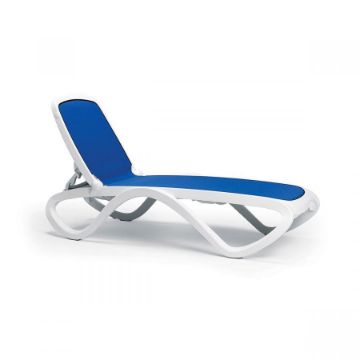
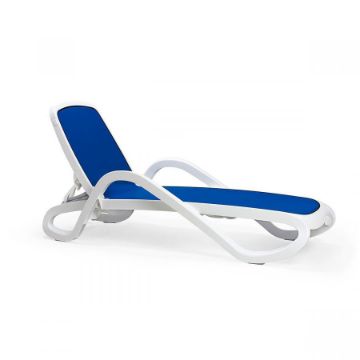
A chaise is a different kind of reset. A Nardi Omega Chaise Lounge may be shifted toward the table during a gathering, then left in a half-open position with a cushion or towel on it. Return it to a stable position, clear the surface, and let the fabric or slats dry before it is stored for the night. Keeping lounging pieces separate from the eating area can also make the patio feel less crowded the next time.
Cushions, textiles, and water
Soft items need the most careful handling after an outdoor meal. Cushion covers can absorb moisture from rain, spilled drinks, or humid air. If they feel damp, give them time to dry in a shaded, ventilated spot rather than shutting them away straight away. Direct strong sun may speed drying, but it can also fade colours or make some fabrics stiff over time.
Check seams and zips for food particles and sand. A quick brush or shake can remove grit that would otherwise rub against fabric when someone sits down. If a spill has soaked in, blot rather than rub, and follow the care guidance for that textile. Mixing cleaning products is unnecessary and can be risky, so keep the routine simple.
Water is worth watching across the whole seating area. A cup left on a table can leave a ring, while a plant saucer nearby can keep the ground damp beside a chair leg. Move furniture only when the ground is not slippery, and avoid dragging heavy pieces across wet paving. If a chair or table has been exposed to heavy rain, let water drain from joints and hollow areas before it is stacked or covered.
For pieces used beside a pool, rinse and dry contact points that have been splashed. Pool water can leave deposits as it dries, especially around frames and feet. A soft cloth and clean water are usually enough for a light wipe down, with extra attention where the water has evaporated and left a pale film.
Storage position and protection
Where furniture will stay outdoors, the storage spot should be level, clear, and away from falling branches or heavy foot traffic. A corner of the patio may seem convenient, but it can become a place where leaves gather and moisture sits. Give each piece enough breathing space so air can move around it. Tightly packed furniture traps dampness and makes it harder to spot damage.
Where furniture will be put away indoors or under cover, make sure the route is clear before lifting anything. Ask for a second pair of hands for larger tables or benches rather than twisting or pulling alone. If a piece feels stuck, stop and look for the reason instead of forcing it. Bent parts, jammed joints, or damaged feet are better inspected calmly than pulled apart in a hurry.
Covers can help keep dust and leaves off furniture between gatherings, but they work best on clean, dry pieces. A cover placed over damp cushions or a wet tabletop can hold moisture against the surface. Leave straps loose enough to avoid rubbing, and check occasionally that the cover has not collected pools of water.
Another Nardi Omega Chaise Lounge or a nearby stack of chairs should not be used as a place to weigh down a loose cover in windy conditions. Weight can press moisture into materials or mark frames. If a cover needs extra security, use a purpose-made fastening or move the furniture to a sheltered position.
What to note for next time
After the patio is clear, take one last look at how the gathering actually used the space. Dining height, table clearance, and serving space become more obvious when people have been passing dishes and reaching across the table. If chairs were constantly pulled out or guests stood in the same narrow gap, the arrangement may need a small change before the next meal.
Guest capacity is another practical point. A table can look suitable when set, then feel cramped once serving bowls and drinks are added. Keeping a little spare seating nearby can help, but only if it can be brought out without blocking walkways. The best outdoor setup leaves room for people, food, and the simple movements that make a meal comfortable.
A short clear-down routine makes outdoor furniture easier to live with. Clear the loose items, wipe what needs wiping, dry soft pieces, and place each chair or lounge somewhere stable. None of it needs to be elaborate. The value is in noticing the small things early, before a single gathering turns into a longer-term problem for the furniture or the space around it.